
Author Archives: alankent
Thoughts on Developing Docker Images (Quick Note)
In Optimizing Docker Images there is a discussion on saving disk space when developing images. This is good stuff to be aware of. But I think there is another reason to consider reducing the number of commands in a Dockerfile which is to help with testing during development. I am coming to the personal opinion that […]
Cygwin TERM type and ssh-ing to Linux (quick note)
I have been playing with Docker recently from my Windows based laptop. This means a lot more ssh-ing around the place than normal. Using Cygwin has been a help for consistency (shell scripts work on both), but when I ssh in, the TERM variable is set to “cygwin” which the Linux instances I was using does not understand. I […]
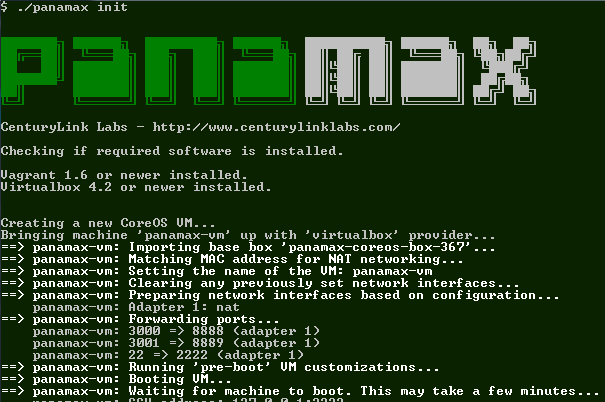
Playing with Docker, CoreOS and Panamax on Windows
Panamax got announced today as a Human Friendly way to manage Docker. If you follow the links in the article you can find installation instructions for Mac OS and Ubuntu pretty easily. But I run Windows on my laptop. Here is how I got it going in case useful to anyone else. I had Vagrant, Docker, and […]
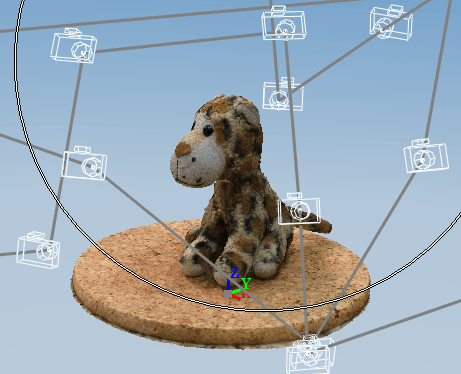
360 or 3D – Which is Best for Displaying Products Online?
Imagery is important for an online store. But if you want to go that extra step, are 360 views or 3D models better? Disclaimer: These views are my own and not that of my employer. Also I picked somewhat random example implementations of these technologies – this article is not meant as an endorsement of any particular […]

Creating a Magento 2 Composer Module
A previous post described a very simple Magento 2 module for showing application state. This post shows how to convert it into a Magento 2 Composer package and add it to a site. Disclaimer: This is not official Magento 2 documentation and represents personal opinions, not that of my employer. (In other words, I’m just mess’n ’round.) Oh, […]
Magento 2 Progress Towards Installation via Composer
With the latest GitHub push, Magento 2 can now be downloaded and installed completely using Composer! (Composer is a PHP package manager similar in concept to Maven for Java developers.) This represents a nice milestone in Magento 2’s Composer support. This is by no means the end of the Composer work – more work is in progress. […]

Docker Containers – Better and Faster Virtualization
Last post I looked at Vagrant. This post I look at Docker. I started dubious about a Linux only solution, but the more I looked, the more I liked. I think Docker will be big. Docker Docker allows you to define light weight application containers based on Linux cgroups (controller groups). For example, you might […]

Vagrant Cloud Deployment First Impressions with OpenStack
Vagrant describes itself as a tool to create VM based development environments, allowing it to be shared between developers. By default it sets up a local VirtualBox instance, although through an extensible set of providers it can also be used to create VMs in various clouds. eBay internally has a private cloud based on OpenStack. This article […]

Playing Around with Magento 2 Areas
This post shares some personal experiences writing a minimal Magento 2 module. I thought it may interesting to those who wanted to see a bit more about how modules are put together in Magento 2. Disclaimer: This is not an attempt at “good module” design according to official Magento 2 coding standards – it is just result of some personal experimentation. […]
Magento 2 Product and Composer Version Numbering
Magento 2 will support Composer for creating sites. Introducing Composer into Magento will impact the way version numbers work in Magento 2. Here is a high level summary of the changes. Disclaimer: Details may change before final release based on feedback. And of course, these opinions are my own and not necessarily that of my employer. (This is my private blog after […]

